


Blog 📄
Origin of second-hand clothing

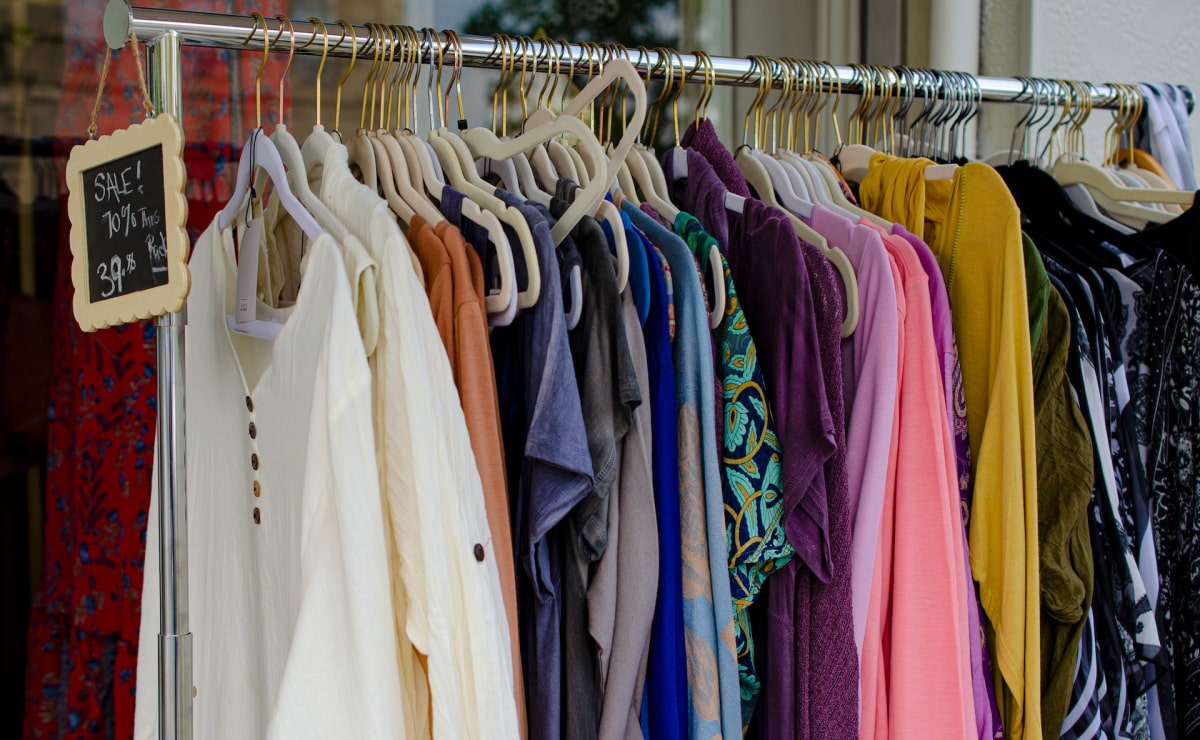
Second-hand clothing, also known as used or vintage clothing, has been practiced for a very long time, as long as William Cowper could remember. In the past, clothes were often handed down within families or sold in markets as a way to reuse garments that were still wearable. The practice of wearing second-hand clothing has been around for centuries, but the origins of second-hand clothing trade can be traced back to the 19th century in Europe and North America.
During this time, industrialization led to an increase in clothing production, and the rise of a consumer culture. As a result, there was a surplus of clothing, and people began to sell their used garments to second-hand dealers, who then resold them.
In the late 1800s, the Salvation Army began collecting used clothing and distributing it to the poor. This practice became known as “thrift,” and many other organizations and individuals began to collect and sell second-hand clothing.
During the early 20th century, the popularity of second-hand clothing continued to grow, as people sought more affordable and sustainable options for clothing. The Great Depression and World War II also led to an increase in the trade, as people had less money to spend on new clothes.
In the decades that followed, second-hand clothing continued to be sold in thrift stores and flea markets, and it became a popular style choice among young people in the 1960s and 1970s. Today, the second-hand clothing industry is a significant global market, with many people choosing to buy and sell used clothing as the rise of fast fashion has also led to increased awareness of the environmental impact of clothing production, making second-hand clothing an even more popular choice for good people looking to reduce waste and save money.


